Jebel Hafeet rises to about 1,250 metres above Al Ain, making it the UAE's second-highest peak, and a famous switchback road of roughly 12 kilometres climbs it. Drive up for sunset in the cool months, visit the Bronze Age Hafeet tombs at its foot, and expect weekend traffic.
The road and the summit
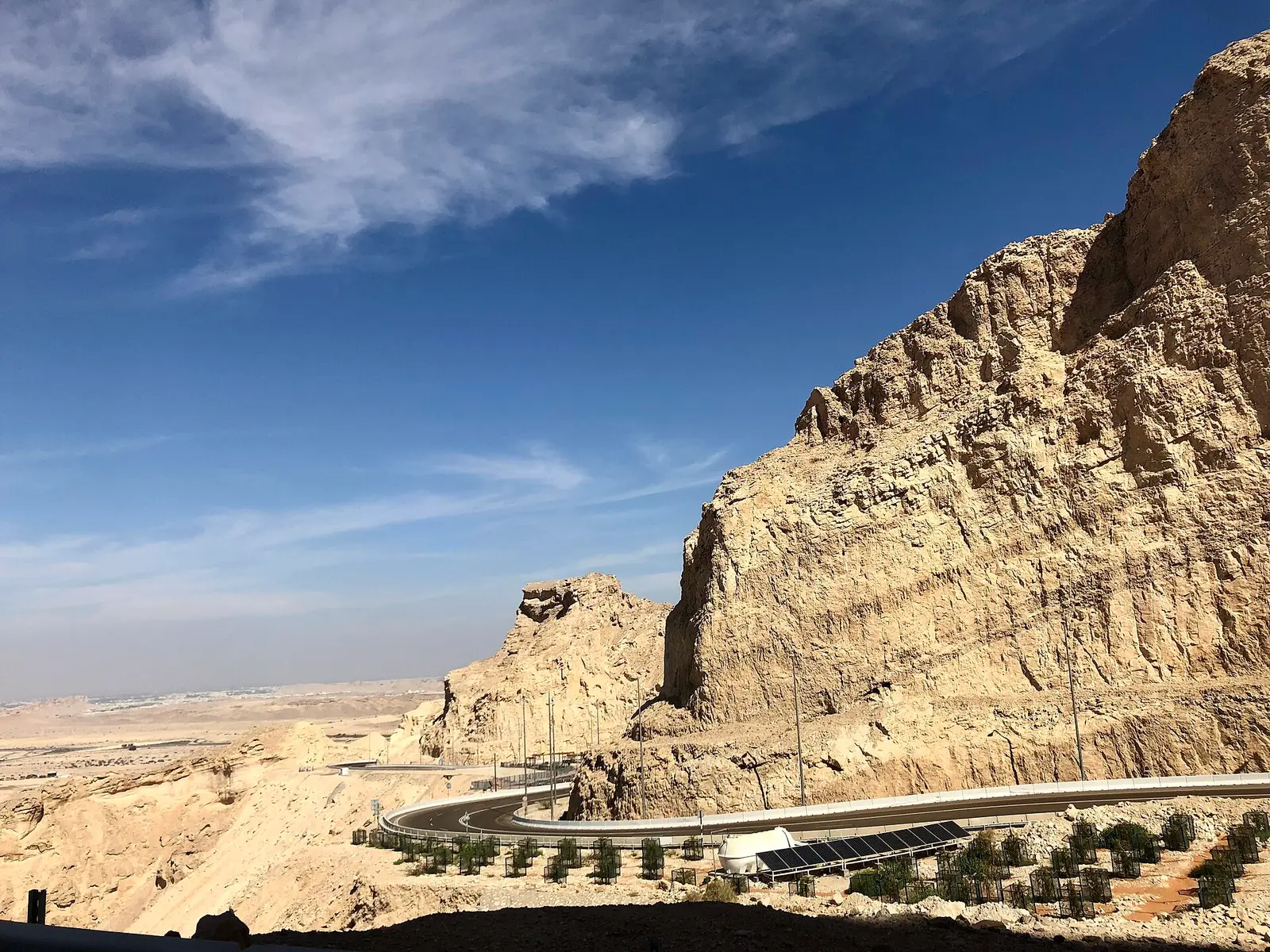
Jebel Hafeet is a limestone mountain on the border with Oman. A well-engineered road of roughly 12 kilometres with dozens of bends climbs it, popular with drivers, cyclists and photographers. At the top the air is noticeably cooler and the view is over Al Ain and the desert plain, with a hotel and viewing terraces. The summit is the point for a sunset, and the drive down in the dark is slow and scenic.
What is at the foot
At the base are the Hafeet tombs, Bronze Age beehive-shaped burial monuments that form part of Al Ain's UNESCO World Heritage cultural sites, and Green Mubazzarah, a park with hot springs and chalets. Together with the oasis and the old forts, they make Al Ain the UAE's most historic day trip outside Abu Dhabi city.
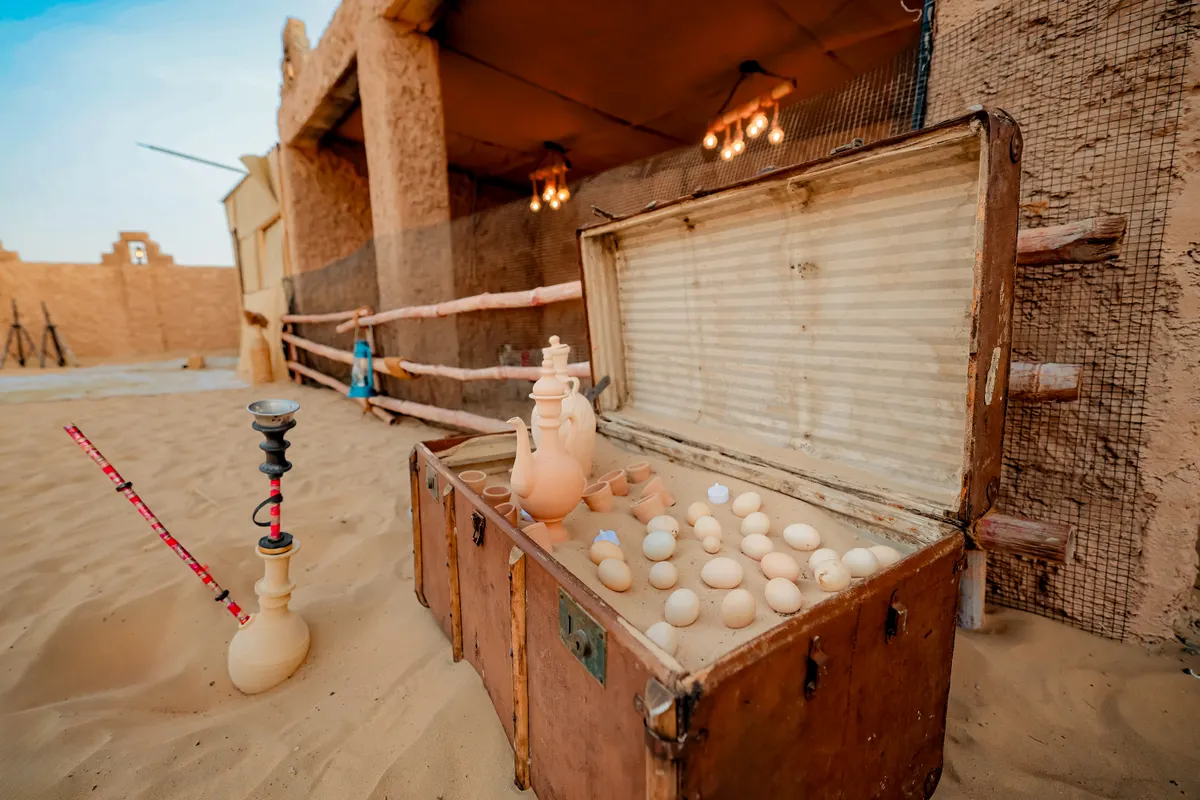
For somewhere to stay, a desert park at the foot of the mountain offers glamping-style tents and domes from a few hundred dirhams a night (reported). Confirm current prices and availability with the operator.
Timing and practicalities
Go from November to March and time your drive to reach the summit about an hour before sunset. Friday and Saturday evenings bring queues of cars on the road, so weekdays are calmer. Al Ain is roughly 90 minutes from Abu Dhabi and about the same from Dubai, so most people combine the mountain with the oasis in a single day.
Questions people ask
How tall is Jebel Hafeet?+
About 1,250 metres, making it the second-highest mountain in the UAE after Jebel Jais.
How long is the Jebel Hafeet road?+
Roughly 12 kilometres, with many bends, and it is popular with cyclists as well as drivers.
What is the best time to visit Jebel Hafeet?+
Reach the top about an hour before sunset on a weekday between November and March.
Photo: Colleen Jean, CC BY-SA 4.0