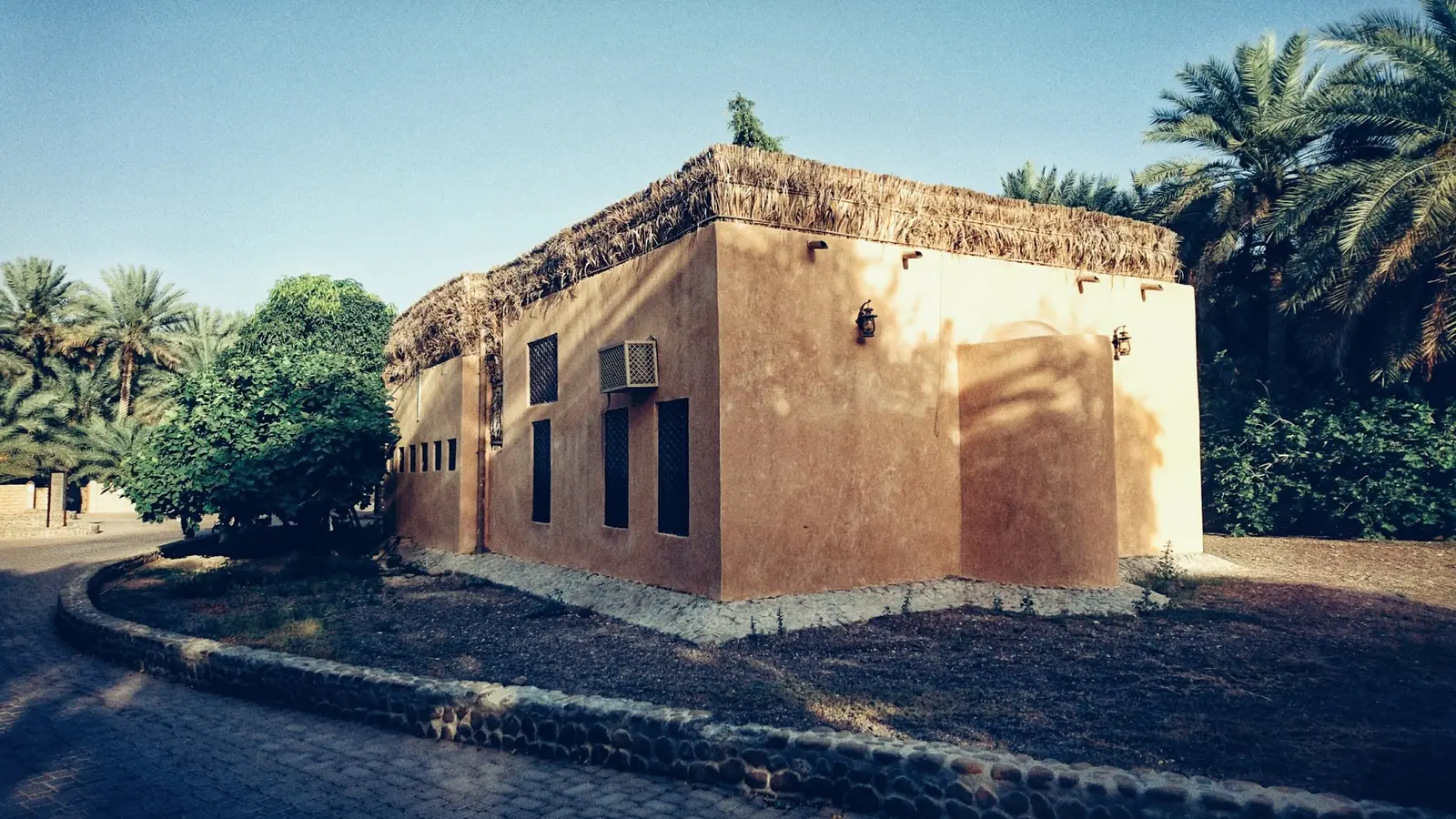
Al Ain Oasis is a working palm garden of around 1,200 hectares at the heart of the city, listed by UNESCO along with the falaj irrigation system that waters it. Allow two hours to walk the shaded lanes, and pair it with the nearby Al Ain Museum and Jebel Hafeet.
What you are walking through
Al Ain is the Garden City because of its oasis: a belt of date palms and farm plots inside the city, kept alive by a falaj, a network of channels that carries water from underground sources. People have farmed here for thousands of years. Walking its shaded lanes is the nearest thing in the UAE to stepping out of the climate.
UNESCO inscribed the oasis in 2011 with the other cultural sites of Al Ain, including the Hafeet tombs and Hili. The scale is the surprise: it is large enough to get lost in, and the quiet is real.
Planning it
Go in the morning or late afternoon between October and April, wear flat shoes and expect to walk. There are entrances on several sides; the main visitor route has signage and a small visitor centre. Be respectful: parts of the oasis are private farms.
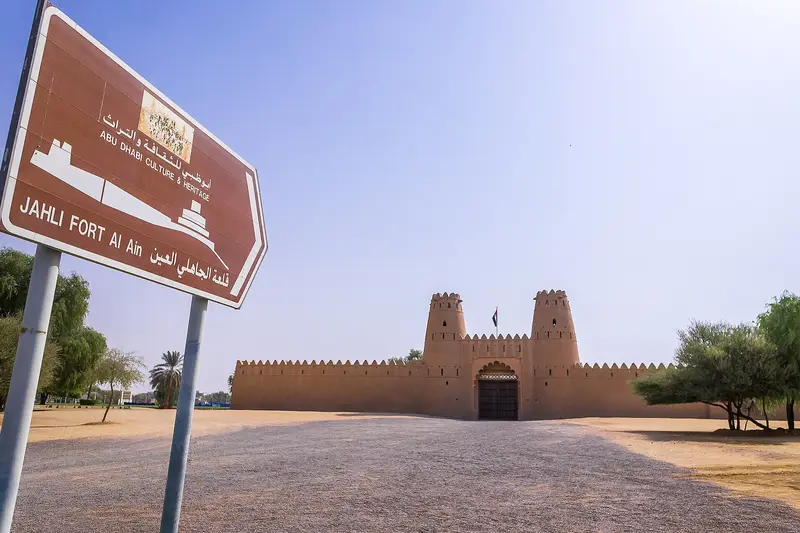
The Al Ain Museum reopened in October 2025 after refurbishment and is marking its first anniversary this season; it covers the region's history, including the falaj. The Al Ain Palace Museum, the former home of the UAE's founding president, is nearby, as is Al Jahili Fort.
A day in Al Ain
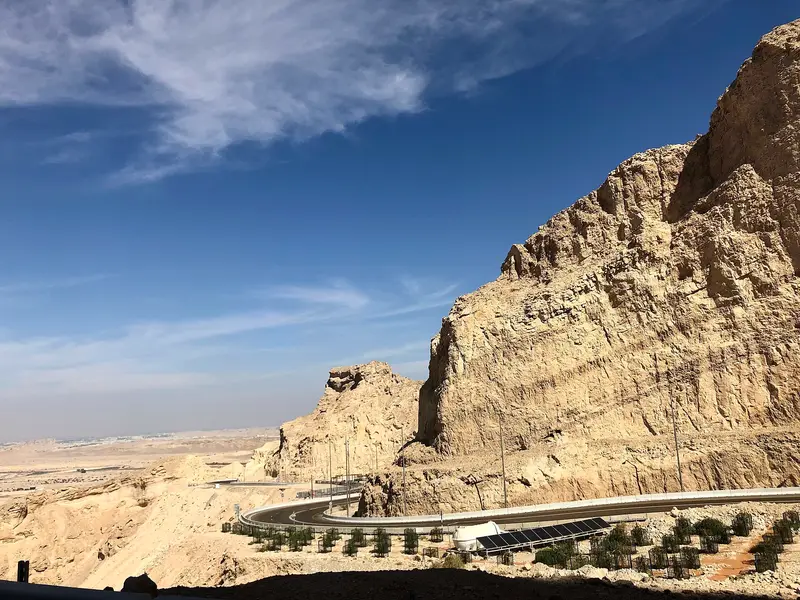
The easy order is oasis in the morning, a late lunch, Al Jahili Fort in the afternoon and Jebel Hafeet for sunset. See our Al Ain in a day guide for the route.
Questions people ask
Is Al Ain Oasis free?+
Walking the oasis is free. Nearby museums charge entry.
How long do you need at Al Ain Oasis?+
About one and a half to two hours for a relaxed walk.
Why is Al Ain called the Garden City?+
Because of its oasis and tree-lined streets, which depend on the falaj irrigation system and underground water.
Photo: weirdweasel, CC BY-SA 4.0